

Geneva Hospitals – Medical Training
Master Cardiac Massage: Practical Training and Advanced Simulator at Geneva University Hospitals
Identified needs:
First Aid Training : Efficiently train staff in resuscitation techniques, particularly cardiac massage.
Practical Training Supplement : Complement practical resuscitation training with an advanced simulation tool.
Solutions provided:
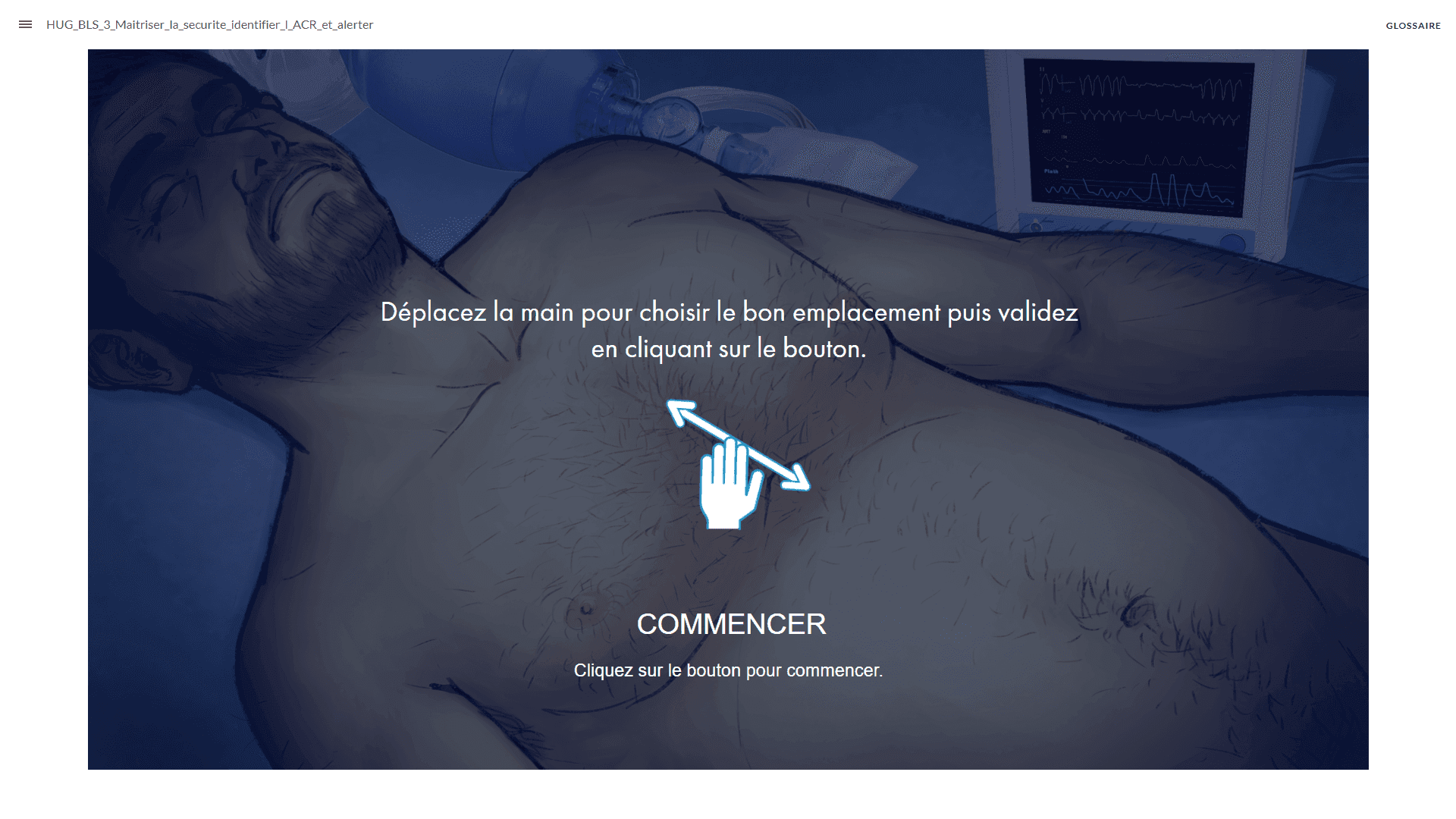
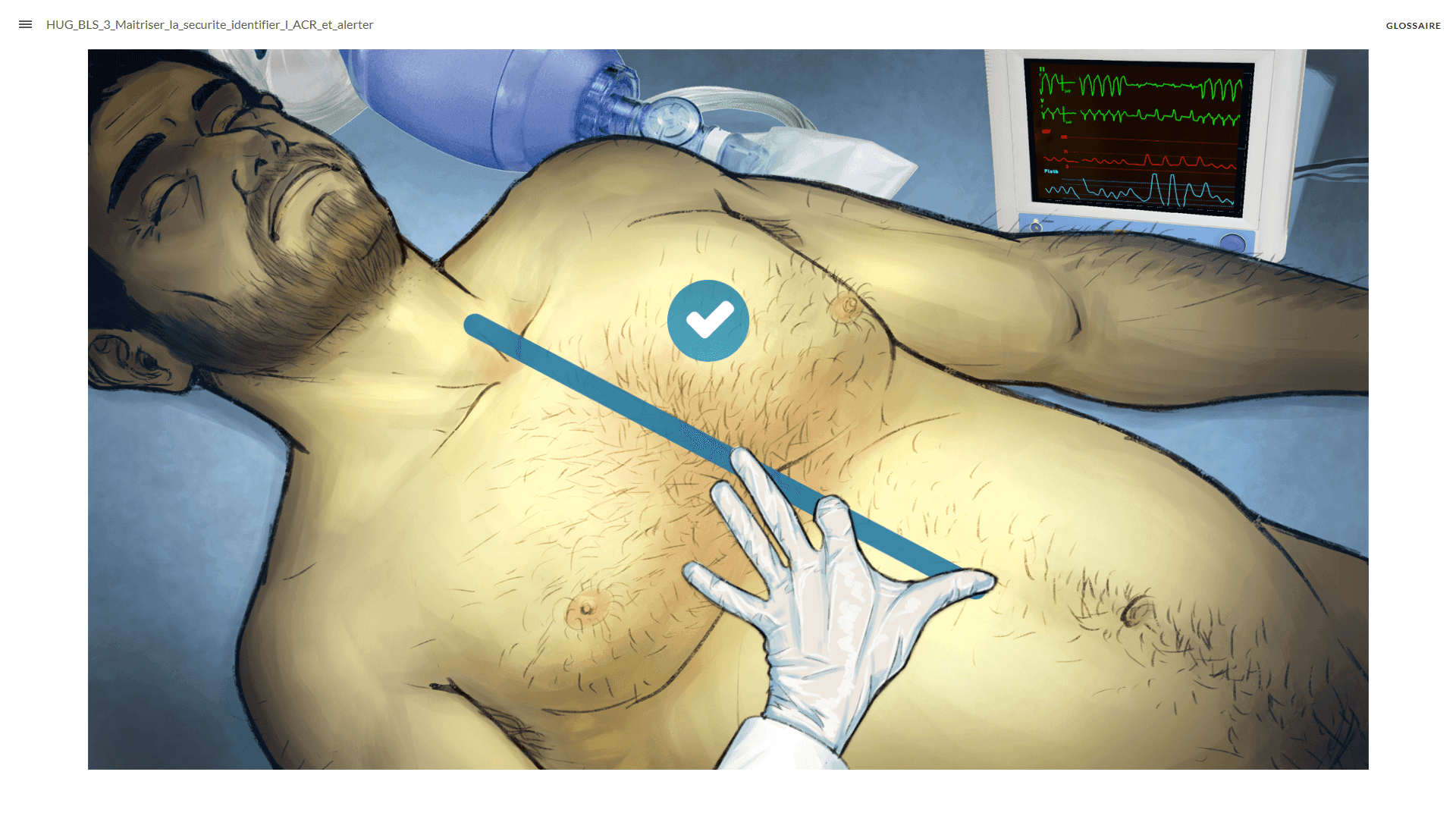
- Cardiac Massage Simulator : A device for checking the location and position of the hands, as well as the rhythm of chest compressions.
Benefits and Expected Results
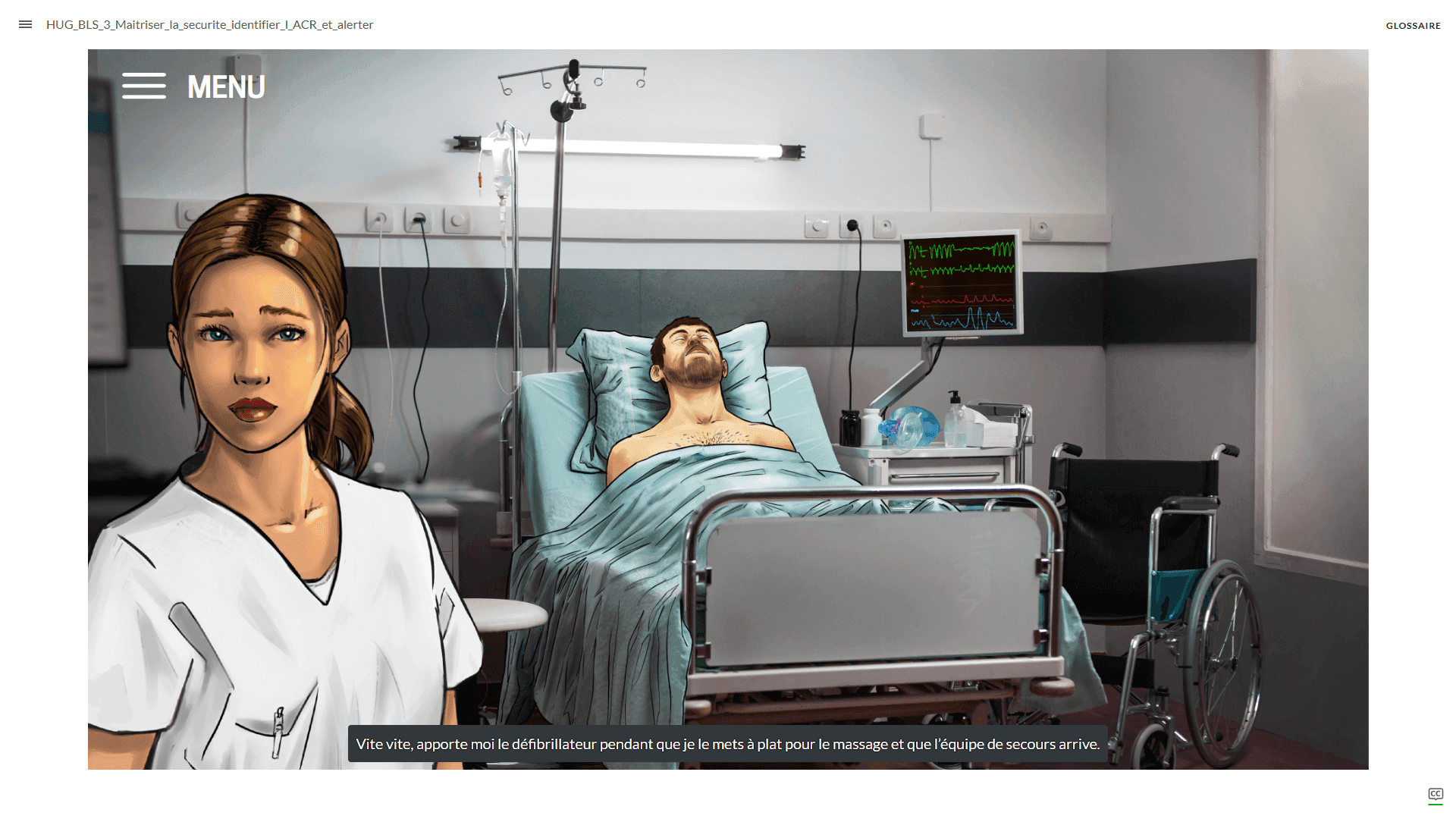
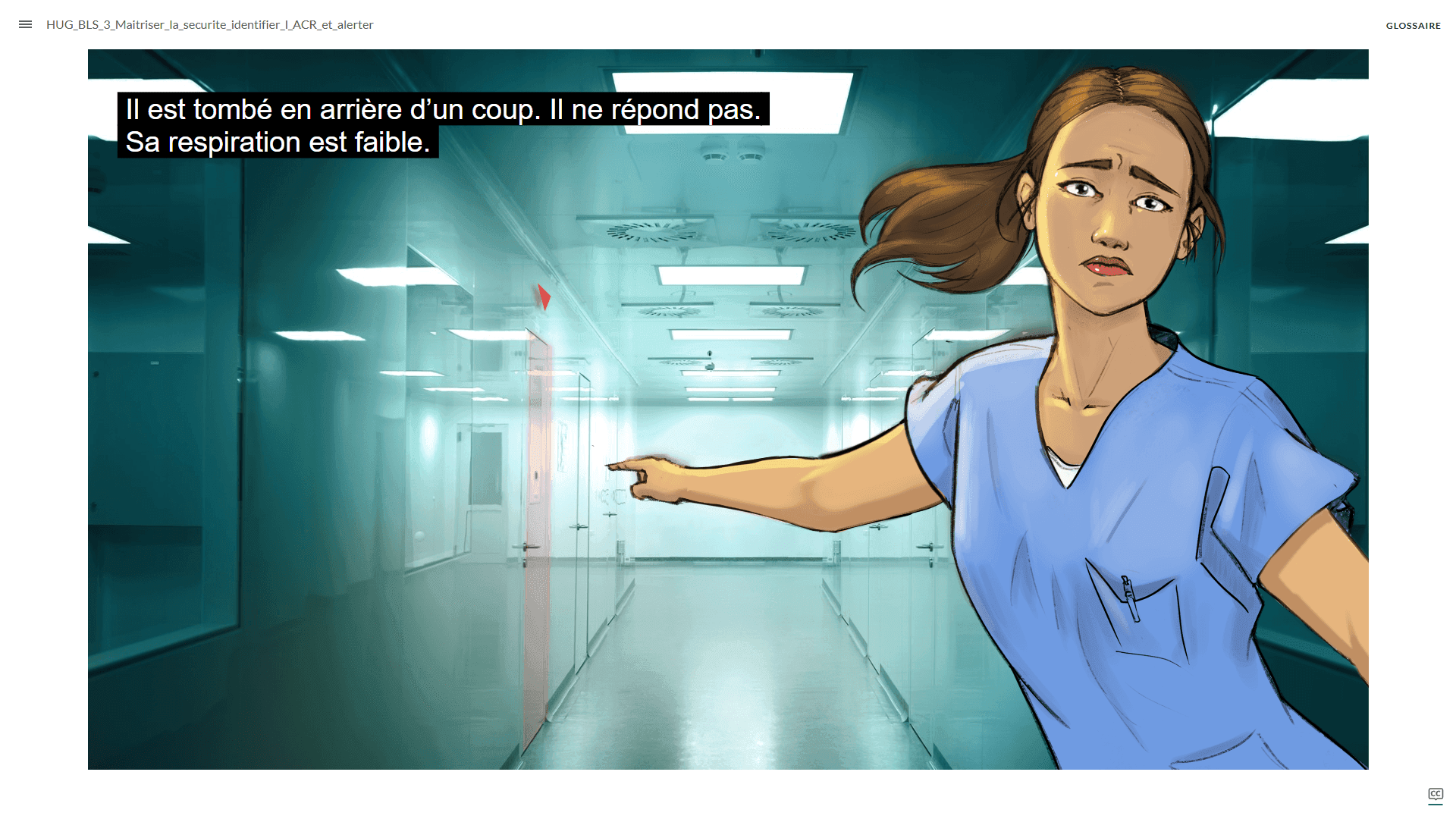
Reaction in a Stressful Situation : Optimal preparation to react effectively in the event of a real cardiac arrest.
Best Practice Reinforcement : Continuous training and memorization of Basic Life Support (BLS) best practices.
To maximise the effectiveness of first aid training at scale, a blended learning approach can be implemented, combining digital preparation modules with hands-on simulation sessions. This ensures that learners arrive in practical workshops with a solid understanding of the theoretical foundations, allowing instructors to focus on skill execution, correction of gestures, and real-time feedback.
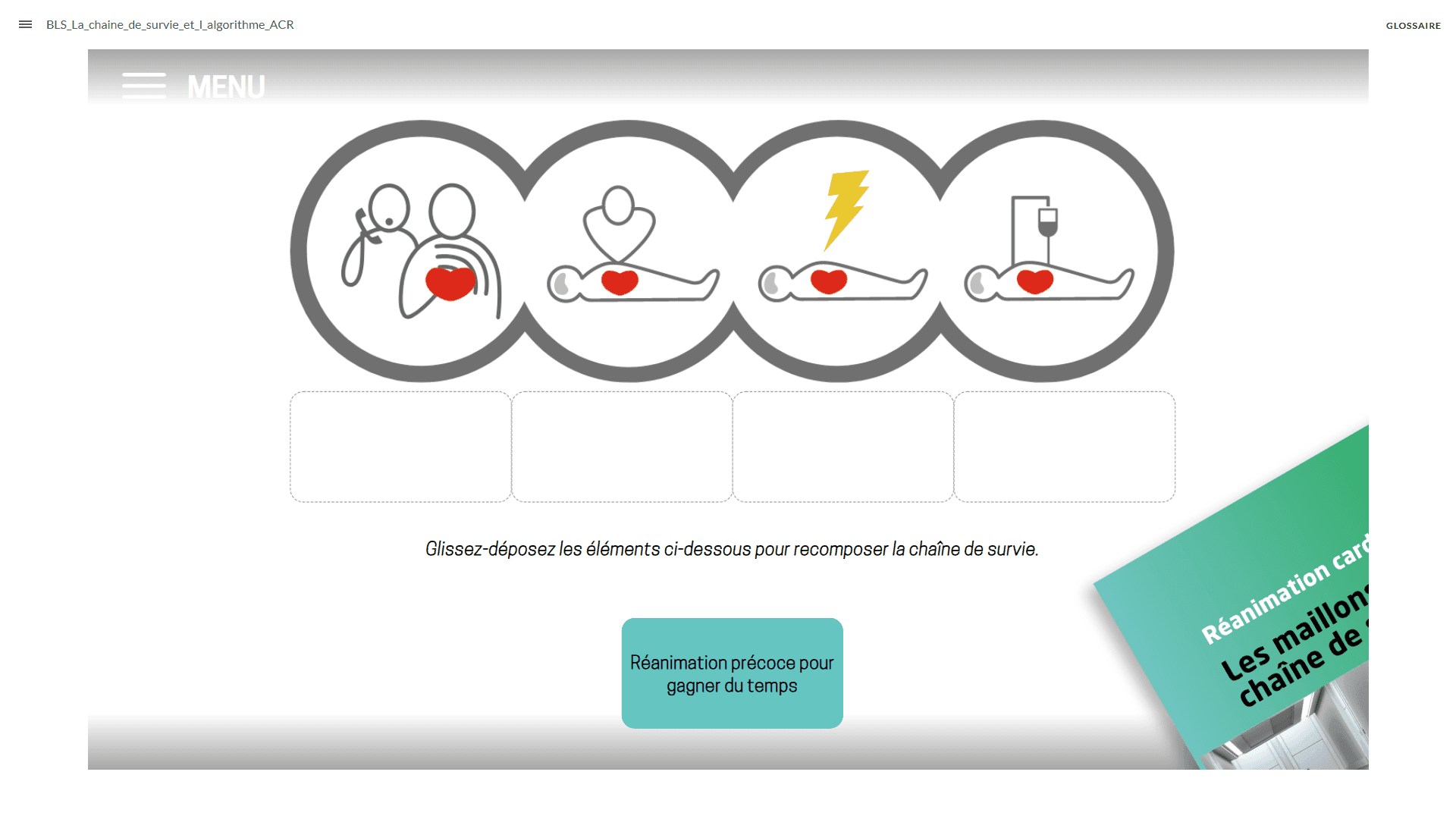
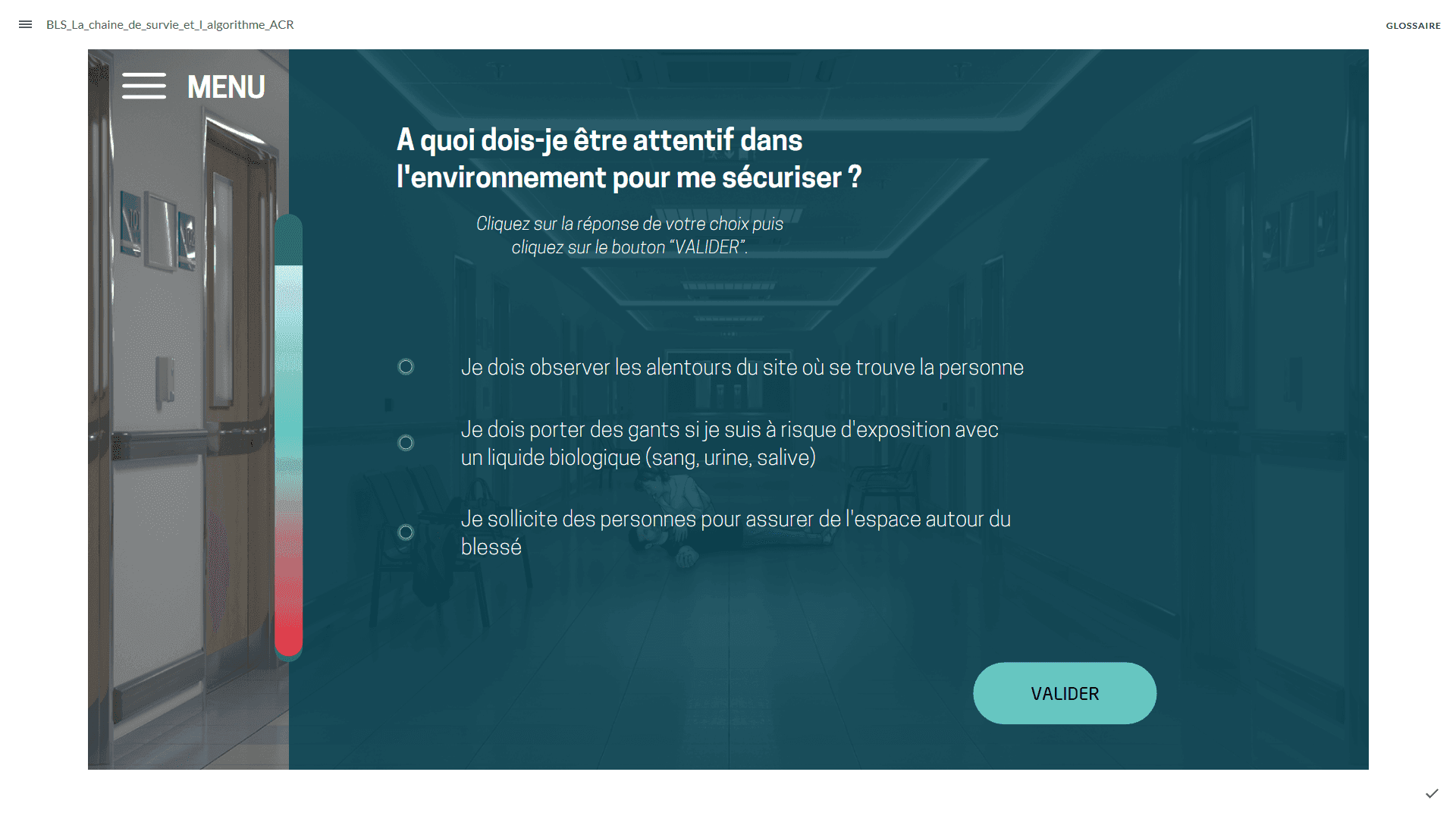
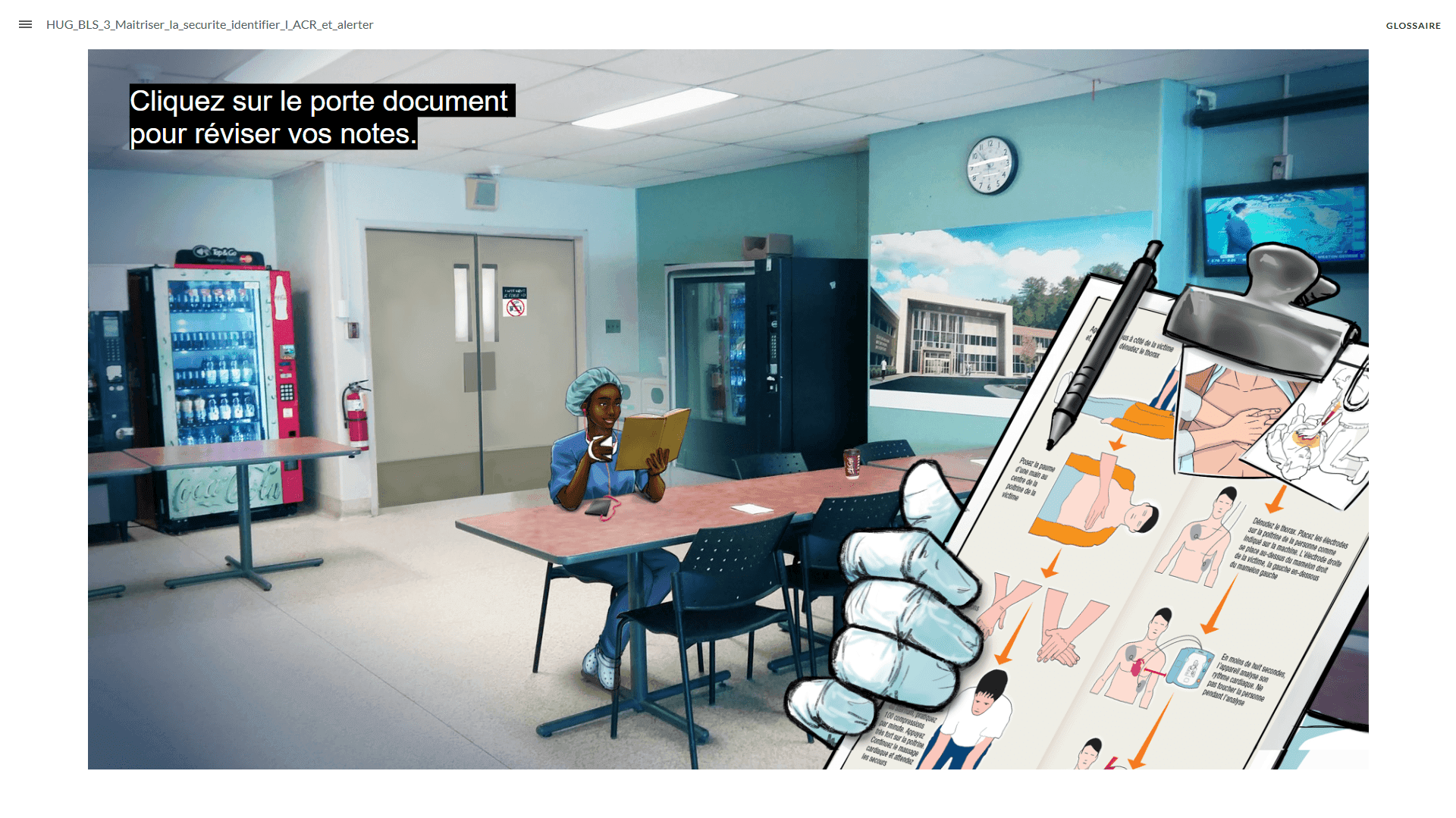
A structured digital learning pathway can cover the essential stages of Basic Life Support (BLS), including early recognition of cardiac arrest, alert procedures, and the correct sequence of actions to maintain circulation until emergency services take over. Interactive content such as short video demonstrations, step-by-step breakdowns, and knowledge checks helps reinforce key concepts and ensures consistent understanding across all participants.
The integration of simulation technology adds a critical layer of realism to the training experience. By reproducing physical constraints such as compression depth, hand positioning, and rhythm accuracy, learners can immediately assess their performance and adjust their technique accordingly. This form of experiential learning significantly improves muscle memory and confidence, particularly in high-pressure environments where rapid decision-making is essential.
Tracking and assessment capabilities further enhance the programme’s impact. Completion rates, simulation scores, and progression indicators can be monitored to identify individual or group training needs. This data can then be used to deploy targeted reinforcement modules, ensuring continuous improvement and long-term retention of critical skills.
In addition, regular refresh cycles are essential to prevent skill decay, particularly for procedures that are not performed frequently in real-life situations. Short refresher modules and periodic re-evaluations help maintain a high level of preparedness and ensure that best practices remain fully integrated into daily reflexes.
From an organisational perspective, this type of training enables standardisation of life-saving procedures across all teams, regardless of location or experience level. It also facilitates compliance with internal safety policies and external regulatory requirements, while ensuring that all employees maintain a consistent level of readiness.
Explore our other diversity and inclusion projects: concrete initiatives designed to raise awareness, foster inclusion, and support more equitable workplaces. Seqens CICR Cegid Allianz Manor SNCF Bijouterie