

Pharmaceutical Group – Interactive Training
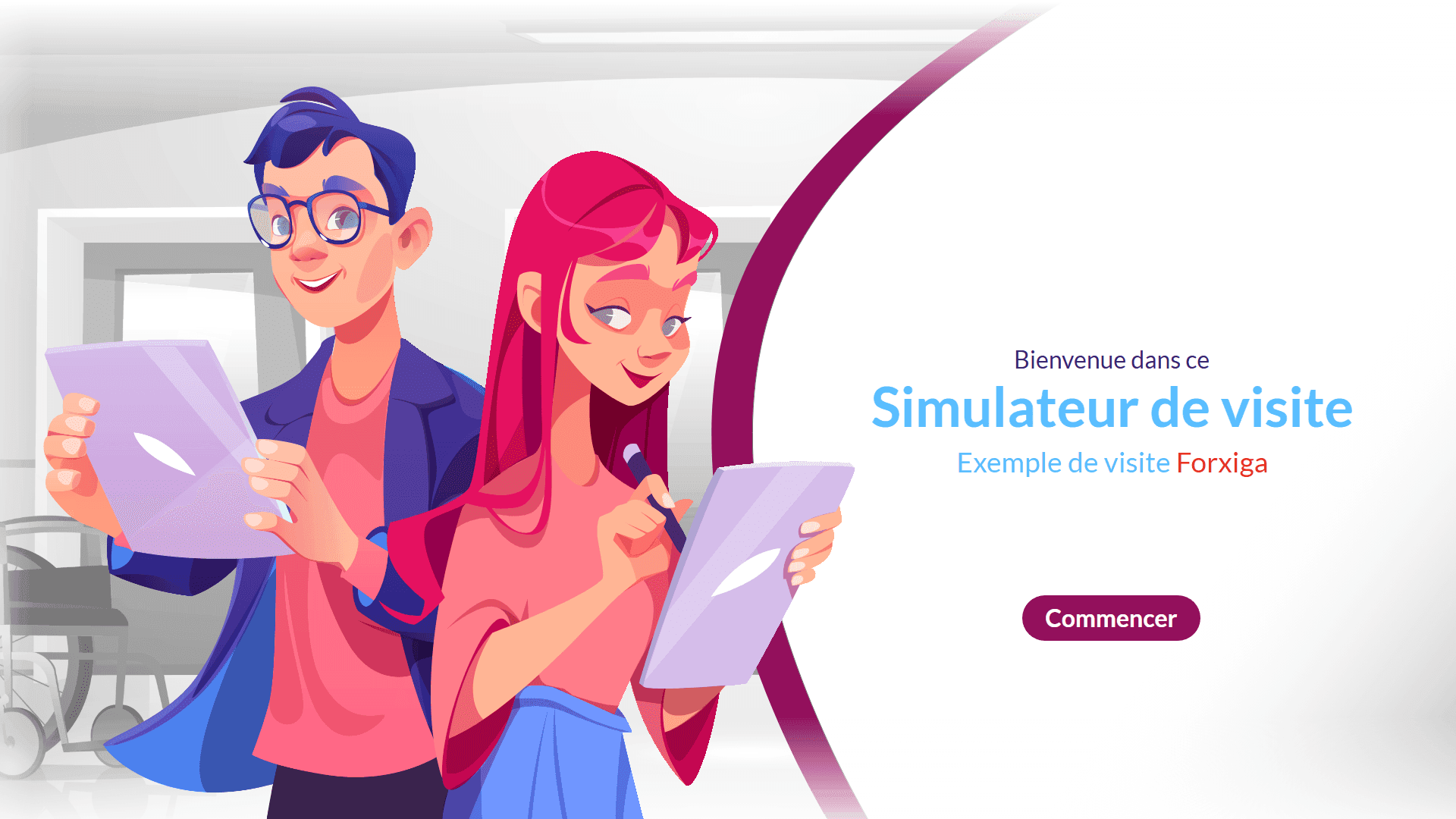
A Software Simulator for a Better Handling of Collaborative Tools
Identified needs :
Advanced Digital Learning : Integrate new learning methods to train employees in collaborative tools.
Real Immersion : Offer total immersion in a realistic environment for better assimilation.
Secure environment : Enable users to practice and familiarize themselves with the tools in a secure environment.
Solutions Provided
30-minute e-Learning module : A concise, effective module for rapid training.
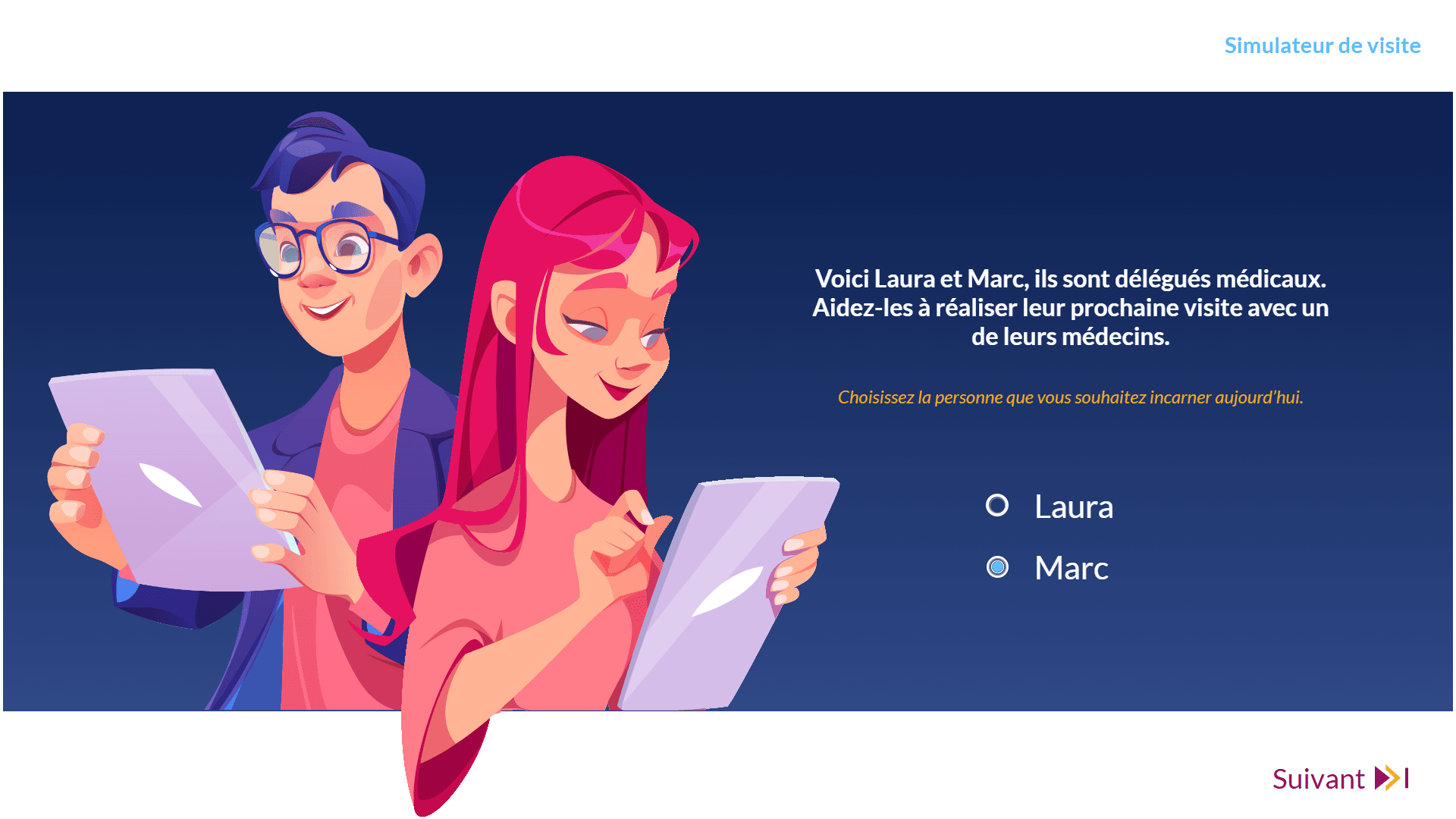
Positioning Test : Assess users' level before starting training to personalize learning.
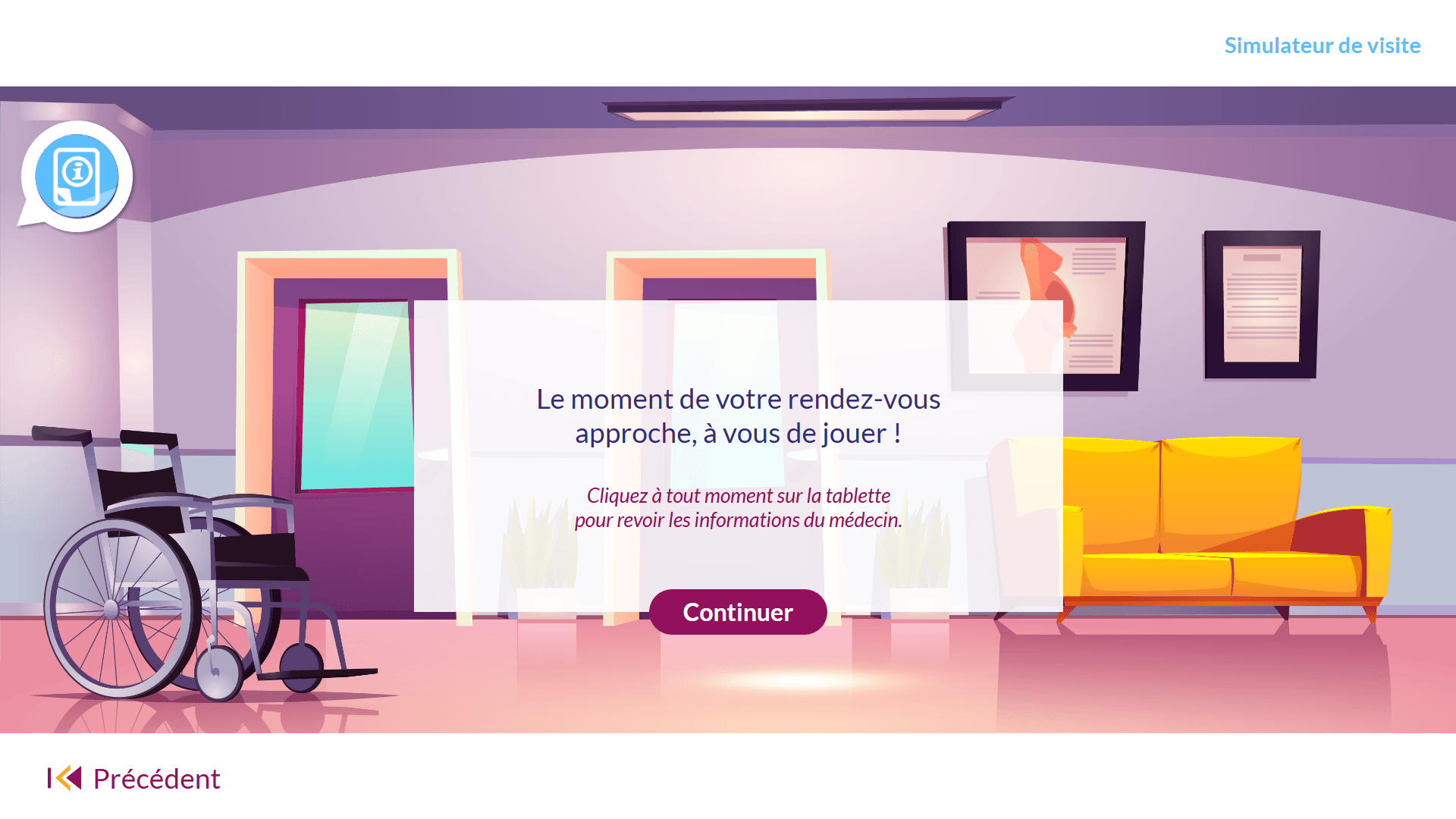
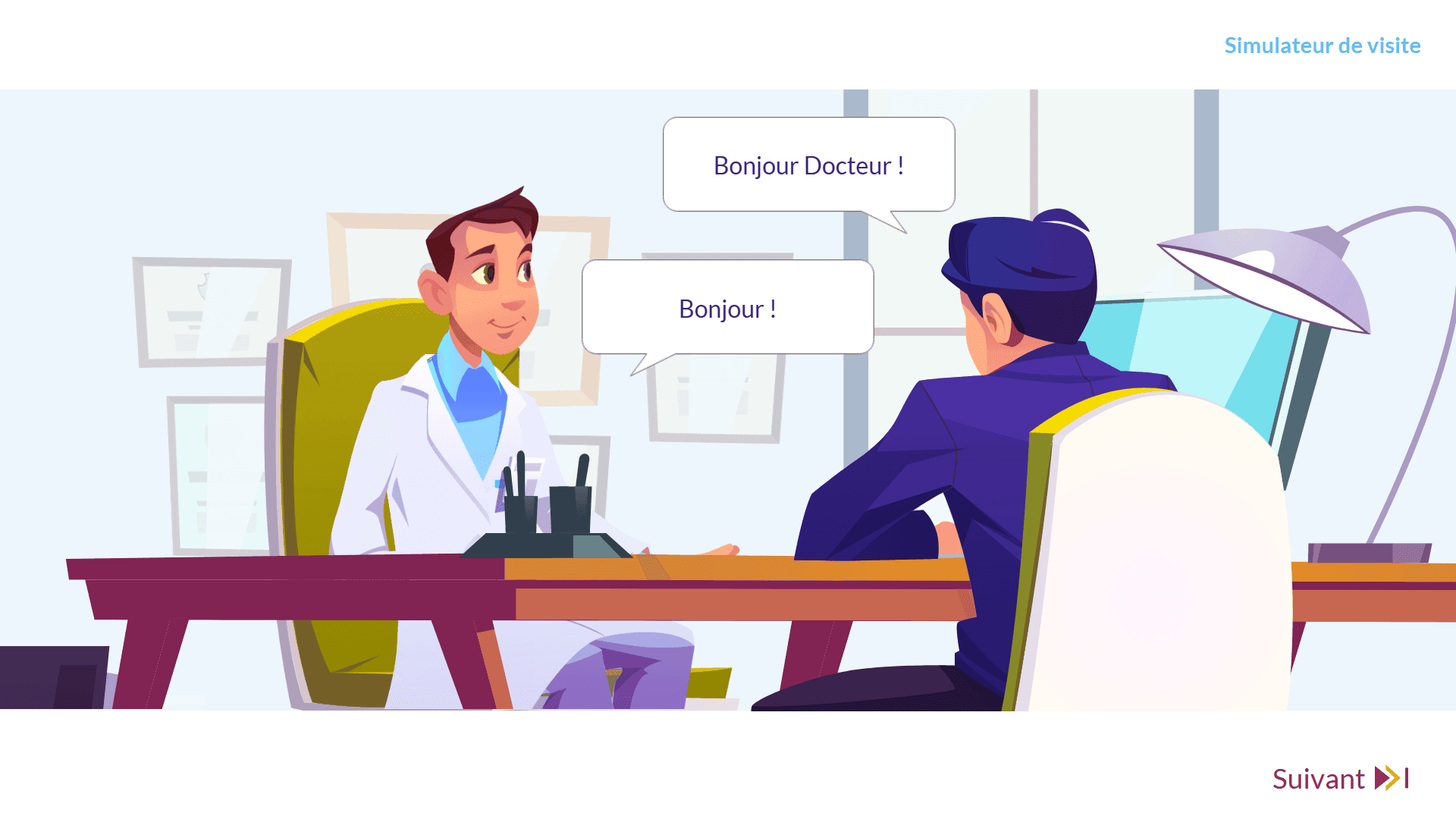
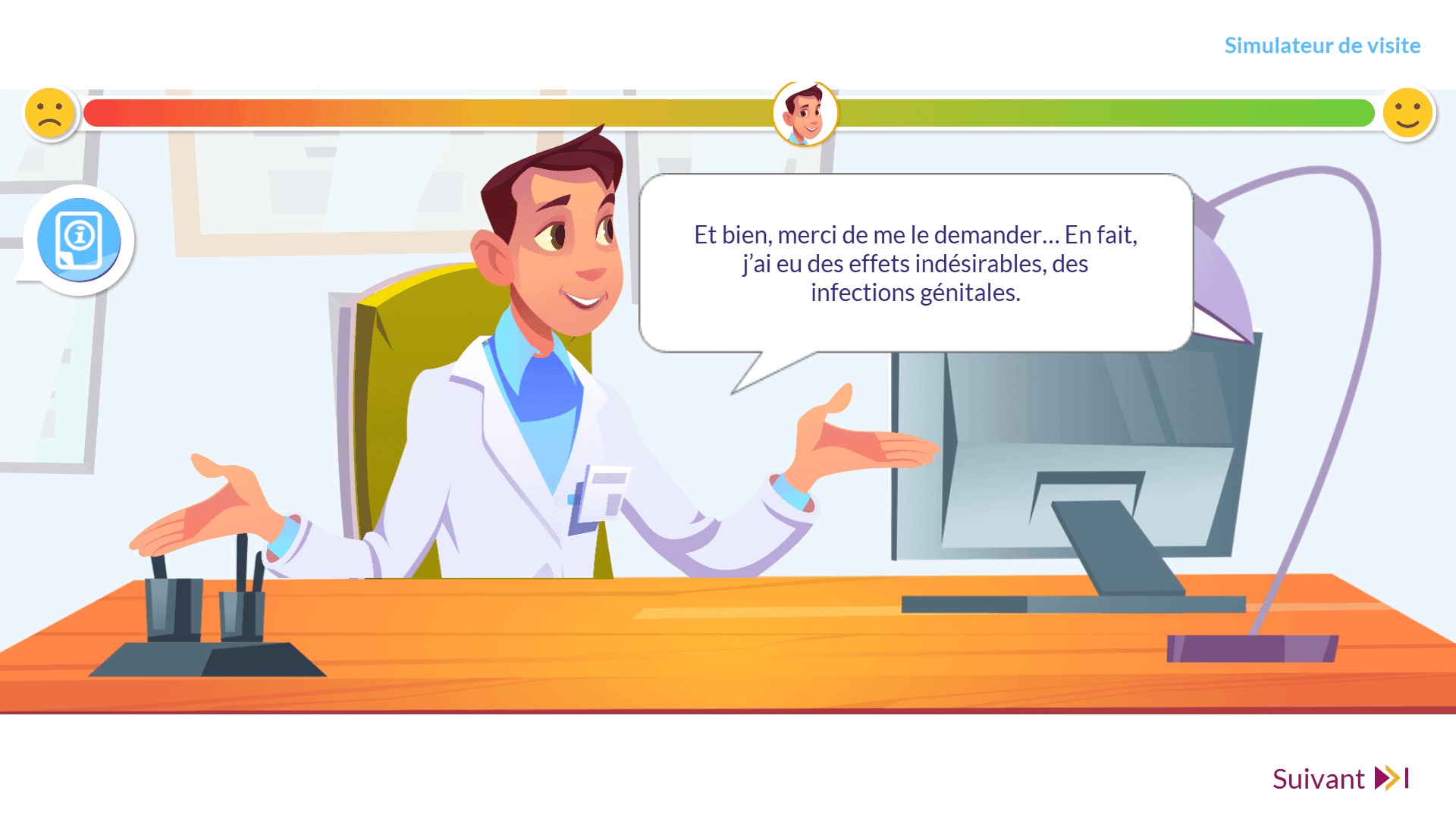
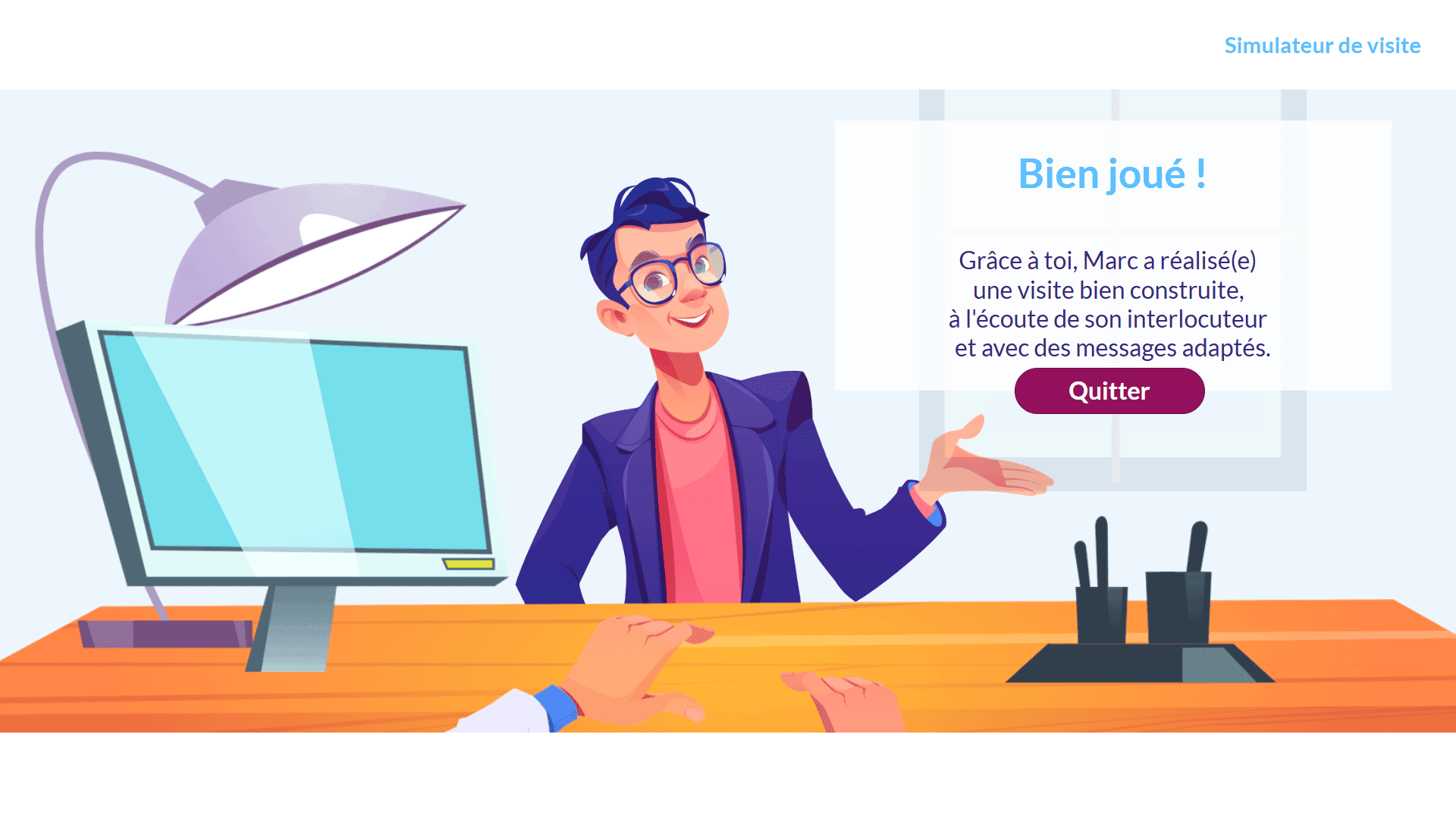
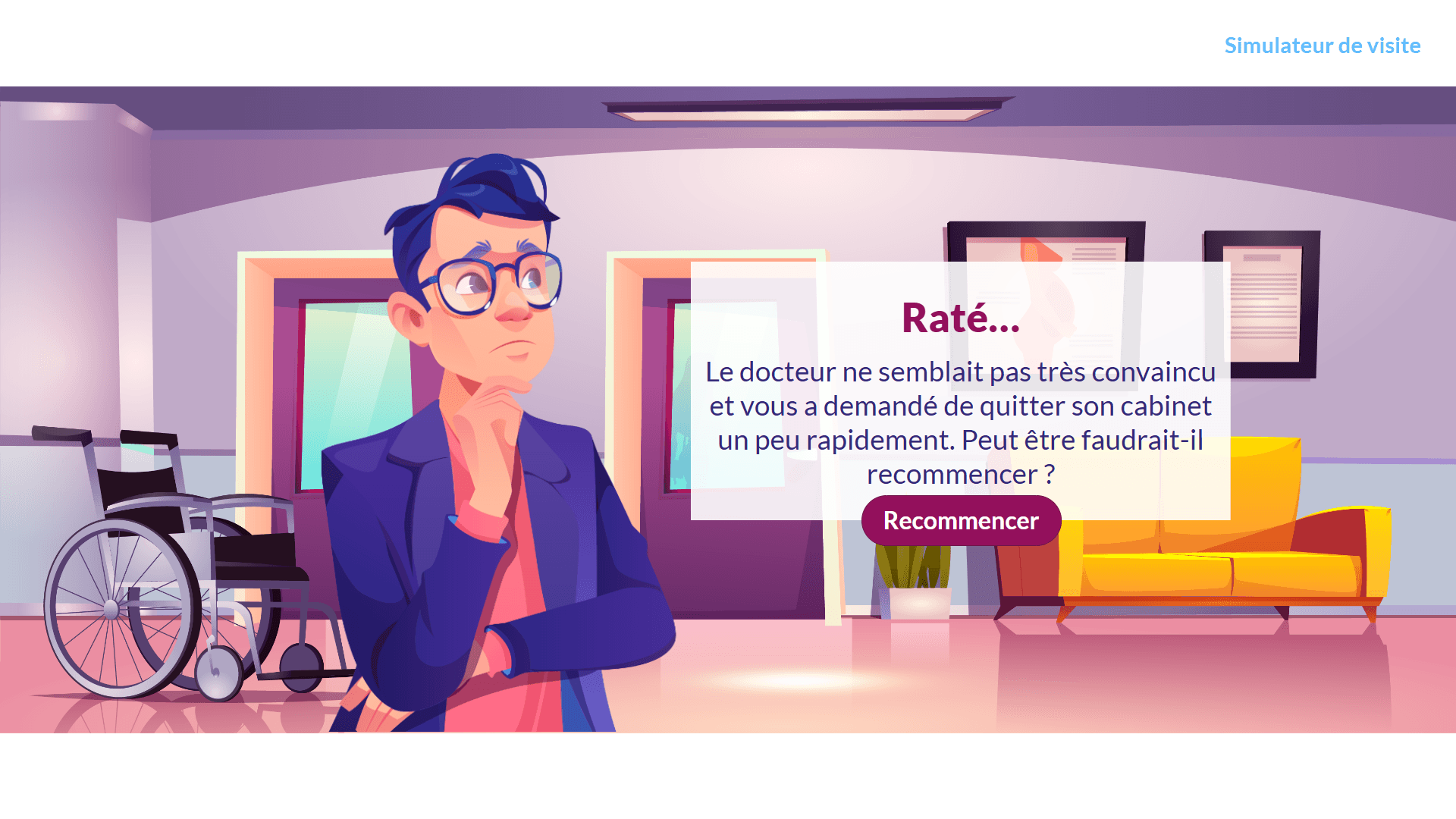
Immersive Practical Cases : Real-life scenarios including scheduling appointments, participating in meetings, sharing documents, and managing technical contingencies.
Benefits and Results :
Time optimization : Improved personal organization thanks to a better command of collaborative tools and their functionalities.
Improved Technical Management : Increased ability to resolve technical issues, reducing interruptions and inefficiencies.
The learning programme has been designed to accelerate the adoption of collaborative digital tools by combining theoretical foundations with realistic hands-on practice. Rather than simply introducing software functionalities, the training enables employees to apply their knowledge in scenarios that closely reflect their day-to-day professional activities, helping them develop the confidence required to use digital tools efficiently from the outset.
The initial positioning assessment ensures that each learner follows a training pathway adapted to their existing level of knowledge. By identifying strengths and areas for improvement before the programme begins, organisations can deliver a more personalised learning experience while allowing experienced users to focus on advanced functionalities and enabling beginners to strengthen their core digital skills.
Immersive practical exercises reproduce common workplace situations such as organising virtual meetings, collaborating on shared documents or managing unexpected technical issues. These realistic simulations encourage active learning and allow employees to experiment in a secure environment where mistakes become valuable learning opportunities. As a result, users can develop new digital habits without impacting business operations.
From an organisational perspective, improving proficiency with collaborative tools contributes to greater operational efficiency and smoother communication between teams. Better use of digital platforms reduces administrative friction, facilitates information sharing and strengthens collaboration across departments, particularly within organisations operating across multiple sites or countries.
The digital format also supports continuous learning by allowing employees to revisit key concepts whenever necessary and quickly familiarise themselves with new functionalities as collaborative platforms evolve. This flexibility helps organisations maintain a consistently high level of digital competence while supporting ongoing digital transformation initiatives.
Finally, learning analytics provide managers and training teams with valuable insights into learner progress, assessment results and completion rates. These indicators make it possible to identify additional support needs, measure the effectiveness of the programme and continuously optimise future learning initiatives, ensuring that employees remain fully equipped to work efficiently in increasingly digital and collaborative environments.
Explore our other management and leadership projects: practical case studies designed to develop managerial skills, strengthen leadership, and support team performance.